
Solid Wood vs Engineered Wood Furniture: Which One Should You Buy in 2026?
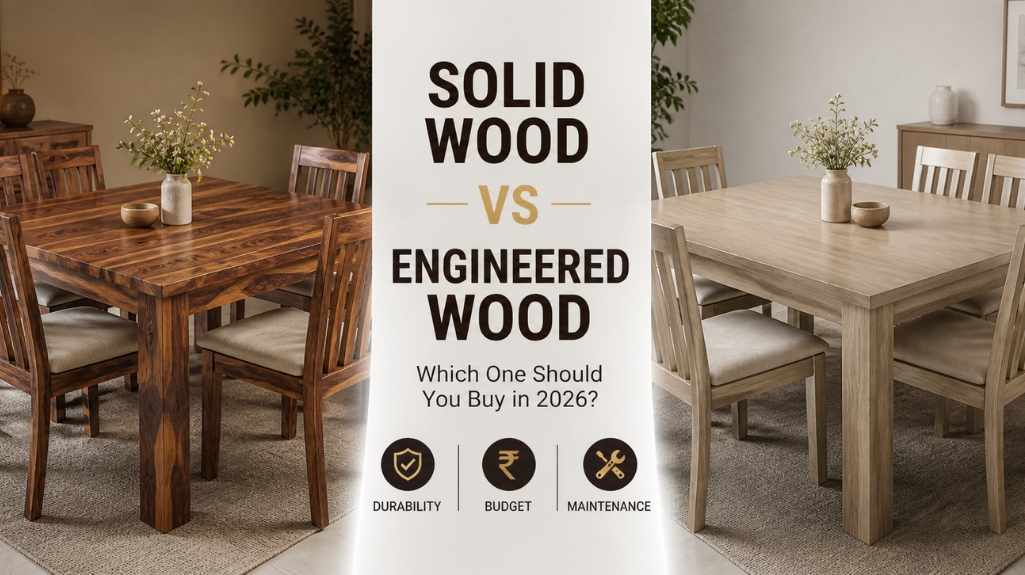
Choosing the right furniture in 2026 is not just about style. It is about durability, value, and long-term comfort. One of the most common dilemmas for Indian buyers today is selecting between Solid Wood Furniture and engineered alternatives.
At first glance, both options may look similar. But when it comes to performance over time, the difference becomes significant. Whether you are furnishing a new home or upgrading your interiors, this wooden furniture guide will help you make a smarter decision.
Understanding the Basics: Solid Wood vs Engineered Wood
Before comparing, let’s understand both types clearly.
Solid Wood Furniture
- Made from natural timber such as Sheesham, teak, or mango wood
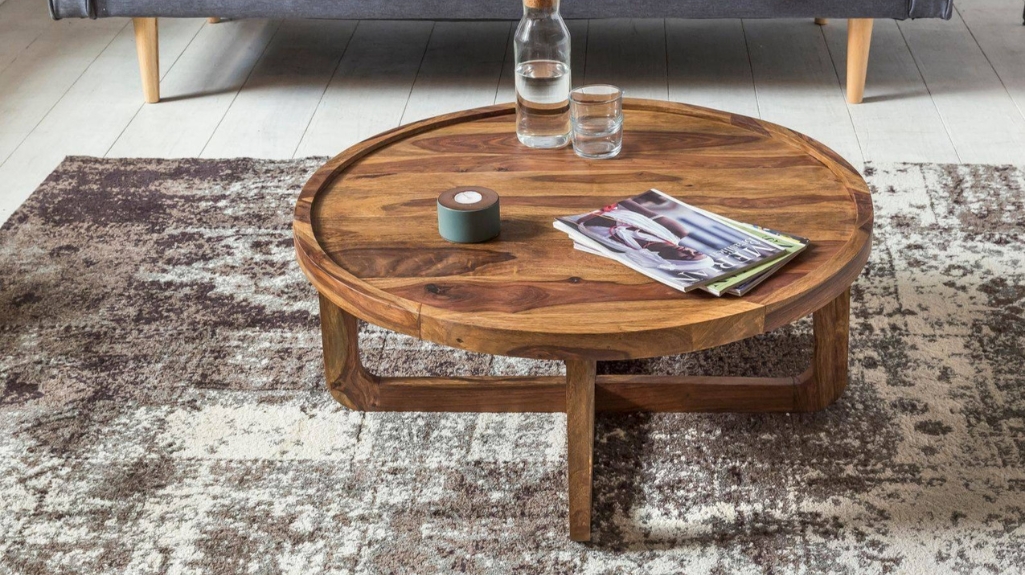
- Each piece has a unique grain pattern
- Known for strength and longevity
Engineered Wood Furniture
- Made from compressed wood particles such as MDF, plywood, or particle board
- Finished with laminate or veneer
- Designed to be cost-effective and lightweight
The real difference becomes clear when we compare performance factors.
1. Durability Comparison: Which One Lasts Longer?
Durability is one of the most important factors for Indian households.
Solid Wood Furniture
- Lifespan ranges from 10 to 20 years or more
- Strong joints and high load-bearing capacity
- Resistant to daily wear and tear
- Performs well in varying Indian climate conditions
Engineered Wood
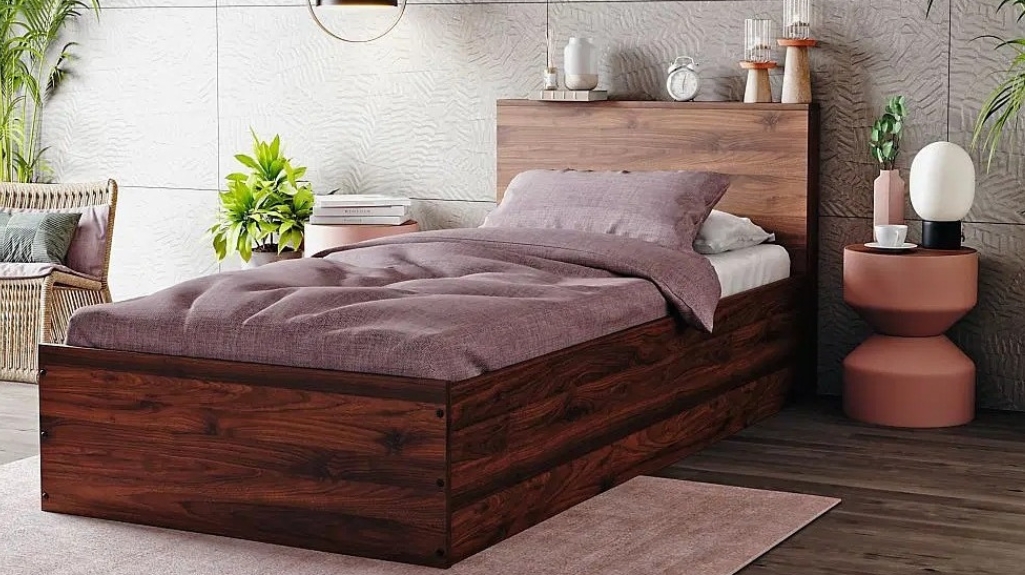
- Lifespan ranges from 3 to 7 years
- Prone to swelling due to moisture
- Weaker screw holding capacity
- More likely to chip or crack
If durability is your priority, sheesham wood furniture is one of the most reliable choices in India.
2. Pricing: Initial Cost vs Long-Term Value
Price often influences buying decisions.
Engineered Wood
- Lower upfront cost
- Suitable for budget-conscious buyers
- Ideal for temporary setups
Solid Wood Furniture
- Higher initial investment
- Long-lasting performance
- Requires fewer replacements over time
While engineered furniture may seem affordable at first, repeated replacements can increase the total cost.
3. Maintenance and Repairability
Furniture is a long-term investment, so maintenance matters.
Solid Wood
- Can be polished multiple times
- Scratches can be repaired
- Finish can be restored
- Improves in appearance over time
Engineered Wood
- Difficult to repair once damaged
- Cannot be re-polished effectively
- Laminate peeling cannot be reversed
- Water damage is usually permanent
For Indian homes where furniture is used for many years, Solid Wood Furniture offers better flexibility.
4. Aesthetic Appeal and Design Value
Appearance plays a key role in home interiors.
Solid Wood Furniture
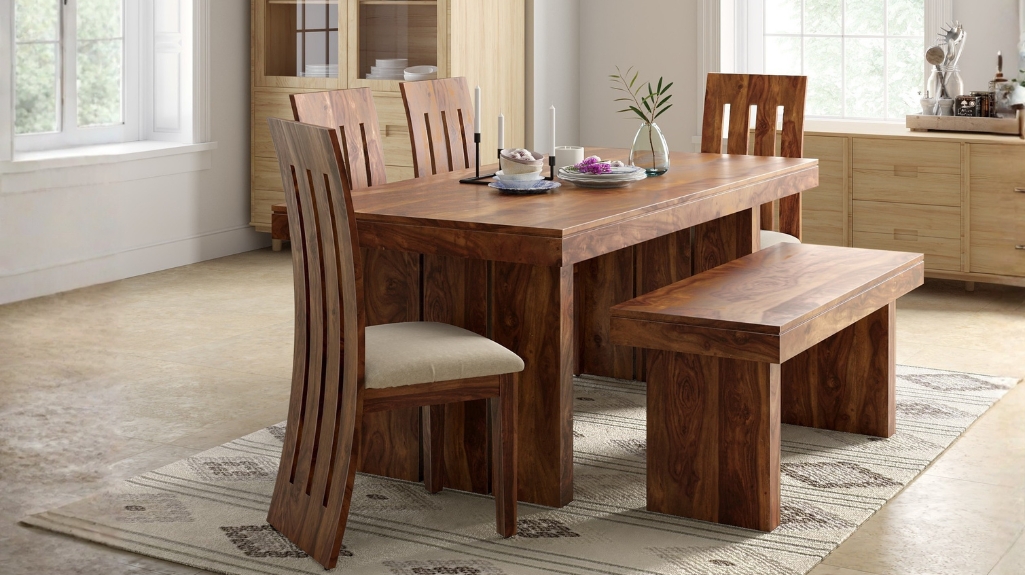
- Natural grain and rich texture
- Premium and timeless look
- Suitable for both modern and traditional interiors
- Each piece is unique
Engineered Wood
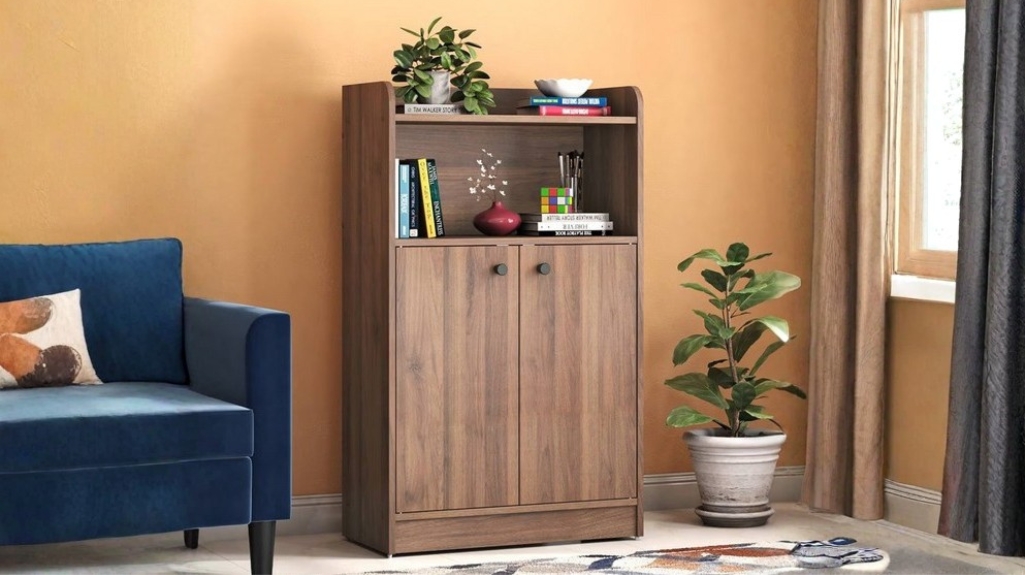
- Artificial wood-like finish
- Uniform design across products
- Finish may fade or peel over time
A well-crafted piece of sheesham wood furniture enhances the overall look of your home.
5. Long-Term ROI (Return on Investment)
Long-term value is often overlooked while buying furniture.
Solid Wood Furniture
- Long lifespan
- Better resale value
- Lower replacement frequency
- Sustainable investment
Engineered Wood
- Short lifespan
- Limited resale value
- Frequent replacement required
- Lower overall value
Over a period of 10 to 15 years, Solid Wood Furniture proves to be more cost-effective.
Quick Comparison Table
| Feature | Solid Wood Furniture | Engineered Wood |
| Durability | High (10 to 20 years) | Moderate (3 to 7 years) |
| Cost | Higher initial cost | Lower initial cost |
| Maintenance | Easy and repairable | Limited |
| Aesthetic | Natural and premium | Artificial finish |
| ROI | High long-term value | Lower long-term value |
Which One Should You Buy in 2026?
Choose Solid Wood Furniture if:
- You want long-term durability
- You prefer premium aesthetics
- You are furnishing a permanent home
- You want better value over time
Choose Engineered Wood if:
- You have a limited budget
- You need furniture for short-term use
- You frequently relocate
- You prefer lightweight options
Final Thoughts
In 2026, furniture should be seen as an investment, not just a purchase.
If you are building a long-term home setup, Solid Wood Furniture is the better choice. It offers durability, timeless design, and better value compared to engineered alternatives.
For Indian homes, especially considering climate variations and long usage cycles, solid wood, particularly sheesham wood furniture, remains one of the most dependable options.
Before making your next purchase, focus on quality, comfort, and long-term benefits. Choosing the right furniture today will save you time, effort, and money in the future.