
Revolving Office Chair Maintenance Tips to Make It Last 5+ Years
A good revolving office chair does more than just complete a workspace. It quietly supports long hours, posture, productivity, and even mood. But here is the part many people overlook. The lifespan of a chair is rarely decided by its price or brand alone. It depends heavily on how it is used and, more importantly, how it is maintained over time.
Most people start noticing issues only when the chair begins to squeak, the wheels stop gliding, or the height refuses to stay in place. By then, the damage is already building up. Proper office chair care is not complicated, but it does require consistency. A few small habits can easily stretch the life of a revolving office chair beyond five years without compromising comfort or performance.
This guide breaks down practical, realistic, and often ignored aspects of swivel chair maintenance, including cleaning methods, wheel care, gas lift safety, and material-specific upkeep.
1. Why Regular Maintenance Matters More Than You Think
Ignoring maintenance is the fastest way to shorten the life of a revolving office chair. Dust buildup, friction in moving parts, and uneven weight distribution slowly weaken the structure.
A well-maintained chair performs better in three key ways:
- Smooth Movement and Stability
Regular cleaning and lubrication keep the swivel and rolling mechanisms working without resistance. - Improved Comfort Over Time
Cushions, mesh, and back support retain their shape longer when properly cared for. - Reduced Long-Term Costs
Small fixes prevent expensive replacements, making overall office furniture upkeep far more economical.
A chair that is maintained properly does not just last longer. It continues to feel reliable, which is equally important.
2. Cleaning the Chair Properly Without Damaging It
Cleaning is often done quickly and incorrectly, which can actually damage the chair instead of preserving it. Different parts of a revolving office chair require slightly different approaches.
2.1 Surface Cleaning Basics
Dust and debris should be removed weekly using a dry or slightly damp microfiber cloth. Avoid soaking any part of the chair, especially around joints and screws.
Key points to follow:
- Never use harsh chemical cleaners
- Avoid excessive water exposure
- Clean armrests and headrests frequently as they collect the most oils and dirt
2.2 Deep Cleaning Routine
Once every month, a deeper clean helps maintain hygiene and performance.
Steps to follow:
- Vacuum the seat and backrest to remove embedded dust
- Wipe down the frame using a mild soap solution
- Dry all parts immediately to prevent moisture damage
Consistent cleaning is the foundation of good office chair care and directly affects durability.
3. Chair Wheels Fixing and Maintenance for Smooth Movement
One of the first components to fail in a revolving office chair is the wheels. Poor movement, noise, or dragging usually indicates dirt accumulation or worn-out casters.
3.1 Cleaning the Wheels
Hair, dust, and small debris often get stuck inside the wheels, restricting movement.
Steps for cleaning:
- Flip the chair carefully
- Remove visible debris manually
- Use a brush or vacuum for deeper cleaning
3.2 Lubrication for Better Performance
Applying a small amount of lubricant to the wheel joints can restore smooth motion.
Important tips:
- Use light machine oil or silicone-based lubricant
- Avoid over-lubrication, as it attracts more dust
- Repeat every few months depending on usage
Proper chair wheels fixing ensures effortless mobility and prevents unnecessary strain on the chair base.
4. Gas Lift Safety and Height Adjustment Care
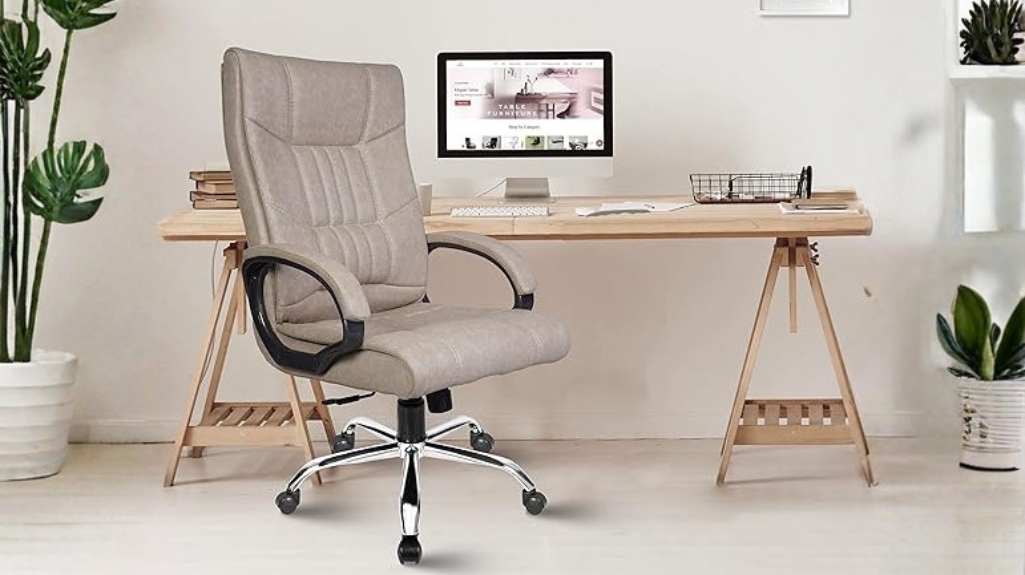
The gas lift mechanism is what allows a revolving office chair to adjust height smoothly. It is also one of the most sensitive components.
4.1 Signs of Gas Lift Issues
If the chair starts sinking slowly or fails to stay at a set height, the gas lift is under stress.
Common causes include:
- Excessive weight pressure
- Frequent abrupt sitting
- Lack of maintenance
4.2 How to Extend Gas Lift Life
Simple habits can significantly improve longevity:
- Sit gently instead of dropping into the chair
- Avoid constant height adjustments without need
- Keep the central column clean and dust-free
Gas lift failure is often irreversible, so preventive care is the only practical solution.
5. Fabric vs Mesh Care: What Most People Get Wrong
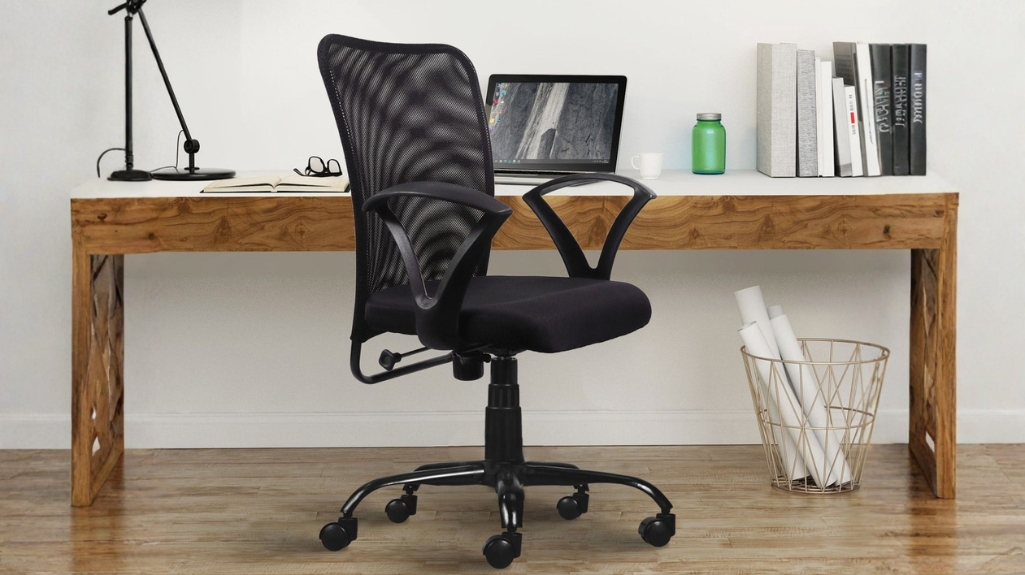
The material of your revolving office chair determines how it should be maintained. Treating all chairs the same way leads to faster wear and tear.
5.1 Fabric Chair Maintenance
Fabric chairs are comfortable but tend to absorb dust and stains easily.
Care tips:
- Vacuum regularly to prevent buildup
- Use mild fabric cleaners for stains
- Avoid prolonged exposure to sunlight to prevent fading
5.2 Mesh Chair Maintenance
Mesh chairs are breathable and modern but require a different approach.
Care tips:
- Clean gently to avoid stretching the mesh
- Do not apply excessive pressure while cleaning
- Keep sharp objects away to prevent tears
Understanding material-specific care is a crucial part of effective swivel chair maintenance.
6. Structural Checks That Prevent Major Damage
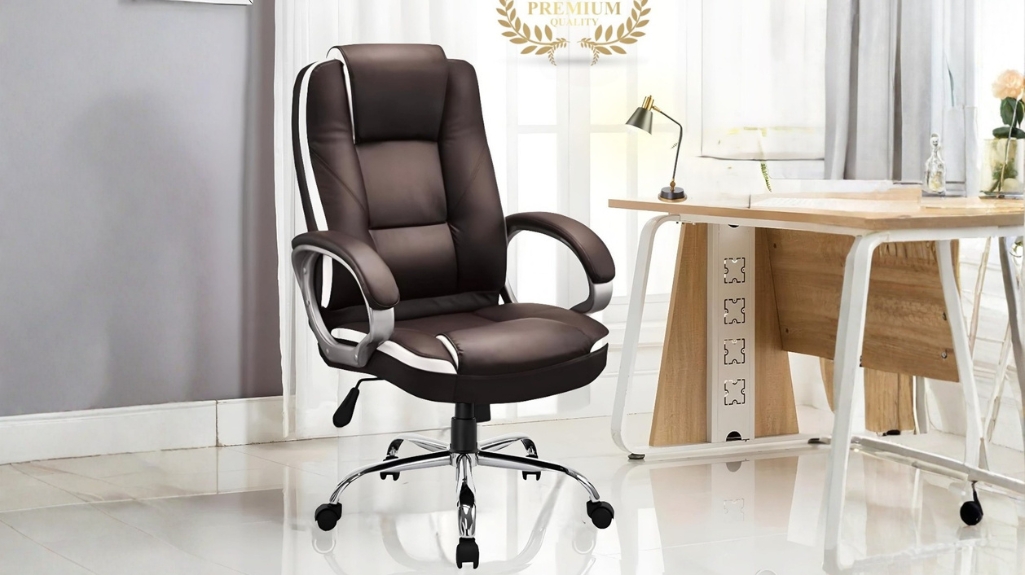
Most users never inspect their chairs unless something breaks. A quick monthly check can prevent serious issues.
6.1 Tightening Screws and Bolts
Loose screws can destabilize the entire chair.
Checklist:
- Check the base connection
- Inspect armrests and backrest joints
- Tighten using the correct tools
6.2 Checking the Base and Frame
The base supports the entire structure. Any cracks or imbalance should be addressed immediately.
Look for:
- Uneven movement
- Visible cracks
- Wobbling while sitting
Routine checks are a simple but effective part of office furniture upkeep that many people ignore.
7. Daily Usage Habits That Extend Chair Lifespan
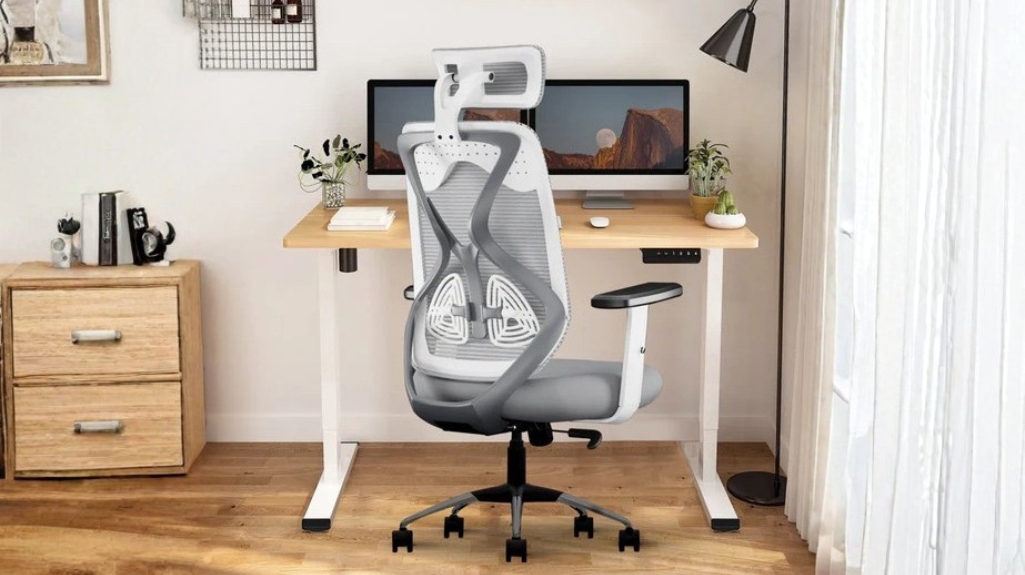
Maintenance is not only about cleaning and fixing. Daily habits play a major role in how long a revolving office chair lasts.
Important habits to follow:
- Avoid leaning excessively on one side
- Do not use the chair as a ladder or support tool
- Maintain proper sitting posture
- Keep the chair on suitable flooring to reduce wheel stress
These small adjustments reduce unnecessary strain and help maintain structural integrity.
8. When Should You Repair vs Replace?
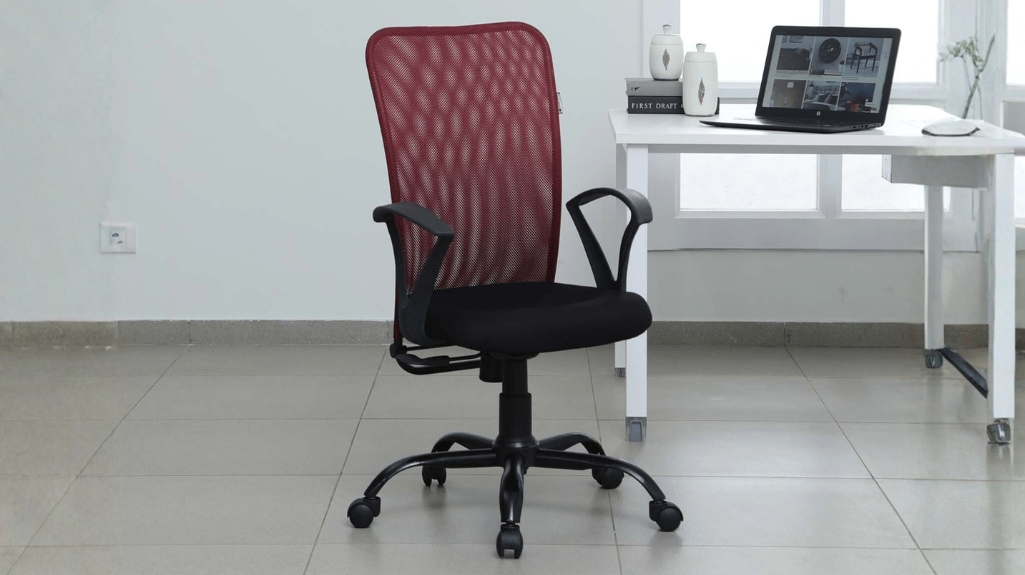
Even with proper care, every chair has a limit. Knowing when to repair and when to replace is important.
8.1 Repair When:
- Wheels are worn out but frame is stable
- Screws or minor parts are loose
- Upholstery needs cleaning or minor fixes
8.2 Replace When:
- Gas lift fails completely
- Frame is cracked or unstable
- Multiple components start failing together
A balanced approach ensures you get the maximum value out of your investment.
Final Thoughts
A revolving office chair is used almost every day, yet it rarely gets the attention it deserves. Maintenance is often delayed until problems become visible, which is exactly what shortens its lifespan.
With consistent office chair care, proper chair wheels fixing, and attention to material-specific cleaning, it is entirely possible to use the same chair comfortably for more than five years. Small efforts done regularly are far more effective than occasional deep fixes.
Long-term durability is not accidental. It is built through simple, repeatable habits that keep every part of the chair functioning the way it should.