
Top 6 Bar Stool Height and Design Mistakes People Make (And How to Avoid Them)
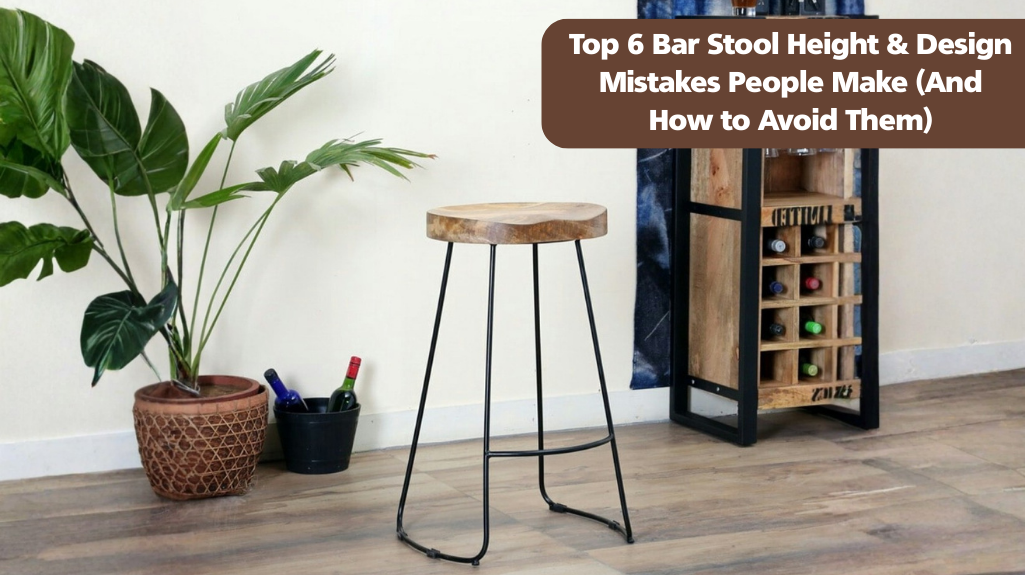
Bar stools look simple. A seat, some legs, maybe a backrest. Yet they are one of the most commonly misjudged pieces of furniture in kitchens and home bars.
People often focus on appearance first. The stool matches the kitchen colour palette, or it looks stylish online. Then after installation, something feels off. The seat sits too high. Knees press against the counter. Guests struggle to climb on comfortably.
Choosing the right Bar Stool is less about decoration and more about proportion and usability. Once you understand a few key measurements and design principles, the decision becomes far easier.
1. Confusing Counter Stools and Bar Stools
One of the most frequent mistakes happens before the stool is even purchased. Many buyers assume that all bar stools are the same height.
In reality, there are two main categories.
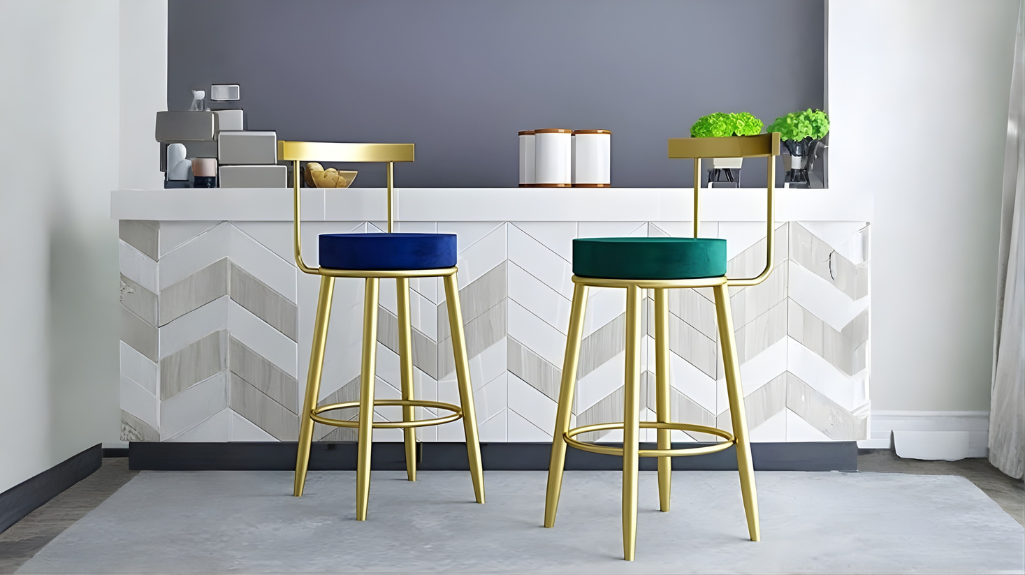
Counter stools are designed for kitchen counters or islands. These surfaces usually measure around 90 to 95 centimetres high. Counter stools typically have a seat height of about 60 to 65 centimetres.
Bar stools are taller and used for bar counters that are around 105 to 110 centimetres high. Their seat height usually falls between 70 and 75 centimetres.
Understanding the difference between counter stools vs bar stools is the first step in any reliable bar seating guide.
2. Ignoring the Gap Between Seat and Counter
Even when people choose the correct stool category, they sometimes forget about clearance.
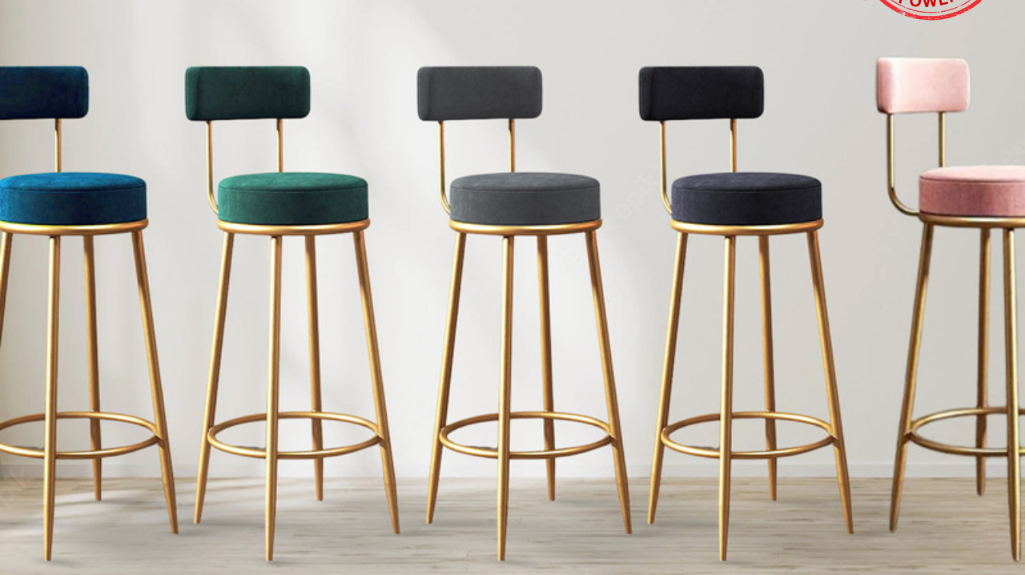
For comfortable seating, there should be roughly 25 to 30 centimetres between the stool seat and the underside of the counter or bar surface.
This gap allows enough legroom so users can sit comfortably without feeling cramped. Too little space makes seating awkward. Too much space makes the table feel far away.
When thinking about kitchen bar stool height, this clearance measurement is often more important than the stool height itself.
3. Forgetting to Measure the Actual Counter
It sounds obvious, but many people rely on estimated measurements.
Kitchen islands and counters are not always standard. Some are slightly taller or shorter depending on the design, cabinetry, or flooring.
Before buying a Bar Stool, it is worth measuring from the floor to the underside of the counter surface. That measurement determines the correct seat height.
A stool that is even five centimetres too tall can make a noticeable difference in comfort.
4. Choosing a Stool Without Considering Legroom
Another issue appears once stools are placed around the counter.
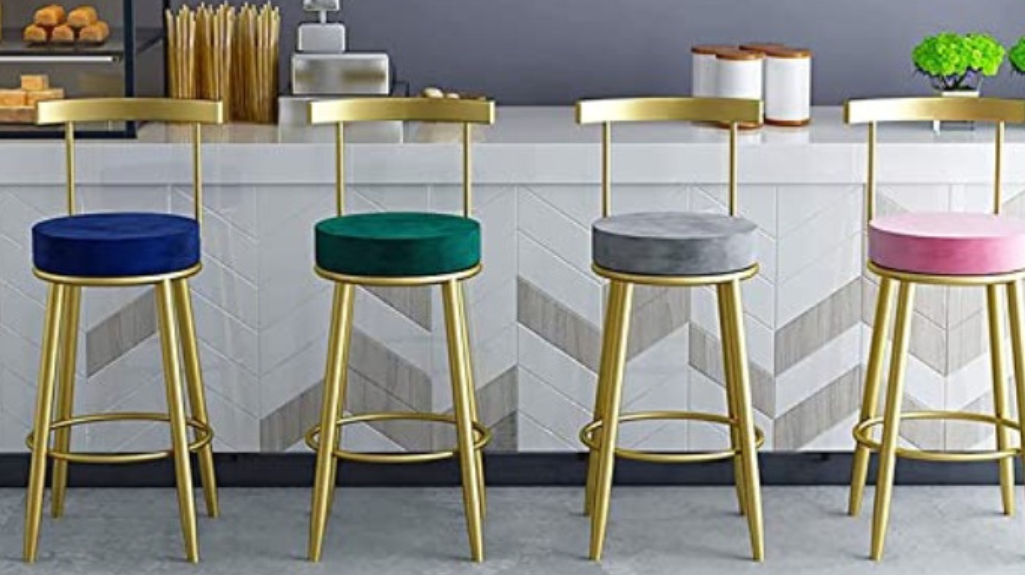
Large bases, thick legs, or wide frames may look sturdy, but they can reduce legroom. This becomes especially noticeable when several stools are placed next to each other.
A good bar stool design leaves enough open space underneath the counter for people to sit naturally without knocking knees or shifting constantly.
Slim frames or well-positioned footrests often make seating far more comfortable.
5. Overlooking Footrest Placement
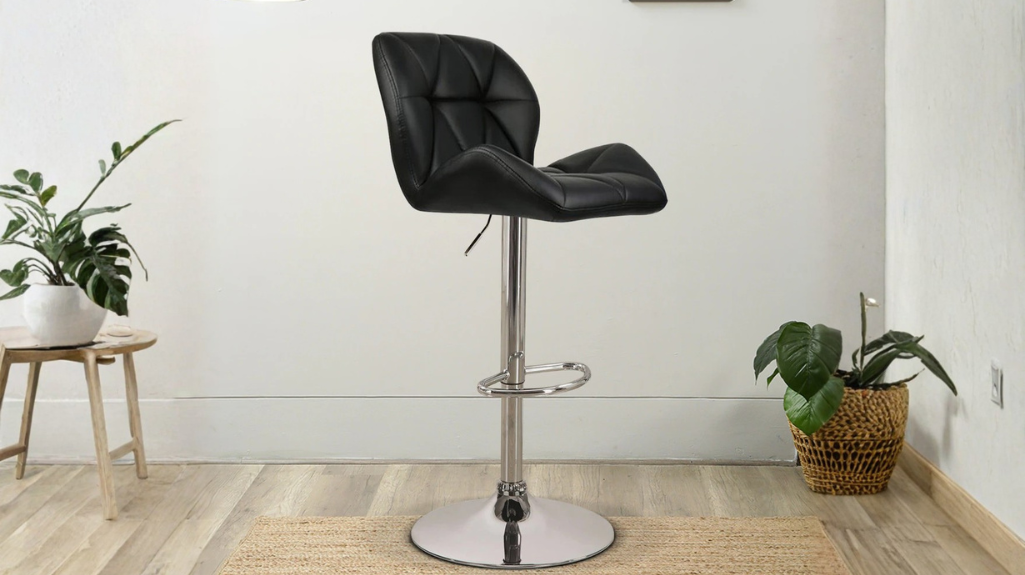
Footrests are not just decorative elements. They support posture.
If a stool is tall and the footrest sits too low or too high, users end up placing their feet awkwardly. This can make sitting for longer periods uncomfortable.
Properly positioned footrests allow the legs to relax while maintaining balance. In homes where bar seating is used for breakfast or casual meals, this small design detail becomes surprisingly important.
6. Focusing Only on Style Instead of Daily Use
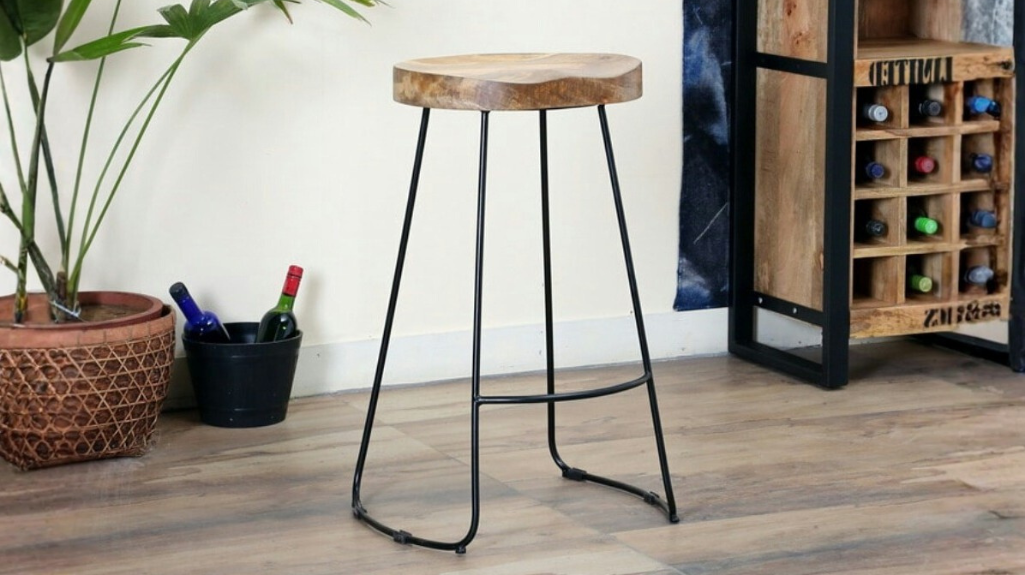
Bar stools are often chosen for visual impact. Sleek metal frames, sculpted wood seats, or upholstered designs can look striking in a showroom.
But design needs to work with daily life.
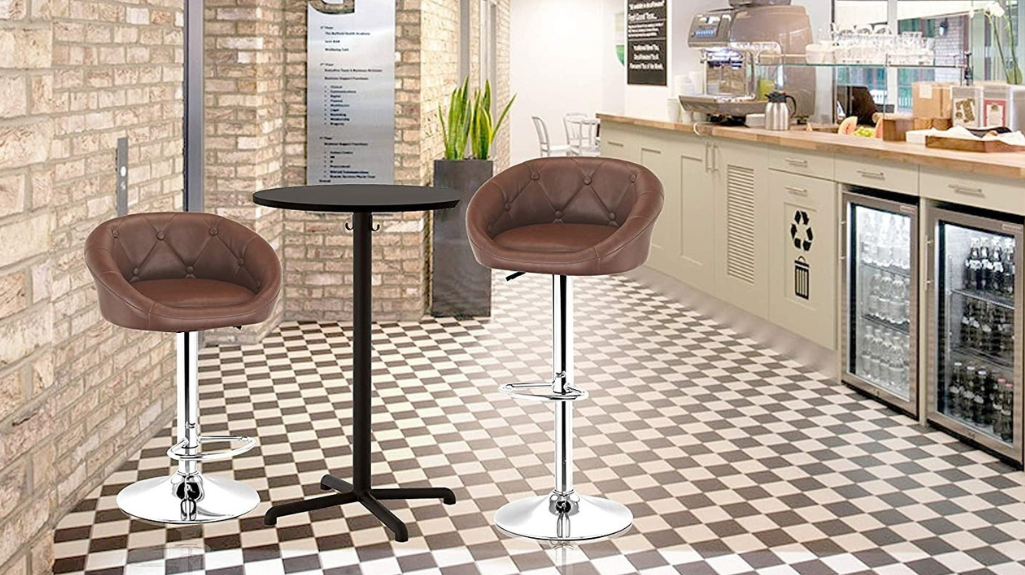
A backless stool might look minimal but may not be ideal for long conversations. Upholstered seats add comfort but may require more maintenance in busy kitchens. Swivel stools provide flexibility but need extra space around them.
A balanced bar stool design considers how the seating will actually be used, not just how it appears in photographs.
A Simple Height Guide for Kitchen and Bar Seating
To make stool selection easier, here is a quick reference chart.
| Counter or Bar Height | Recommended Stool Seat Height |
| 90–95 cm (Kitchen Counter / Island) | 60–65 cm |
| 105–110 cm (Bar Counter) | 70–75 cm |
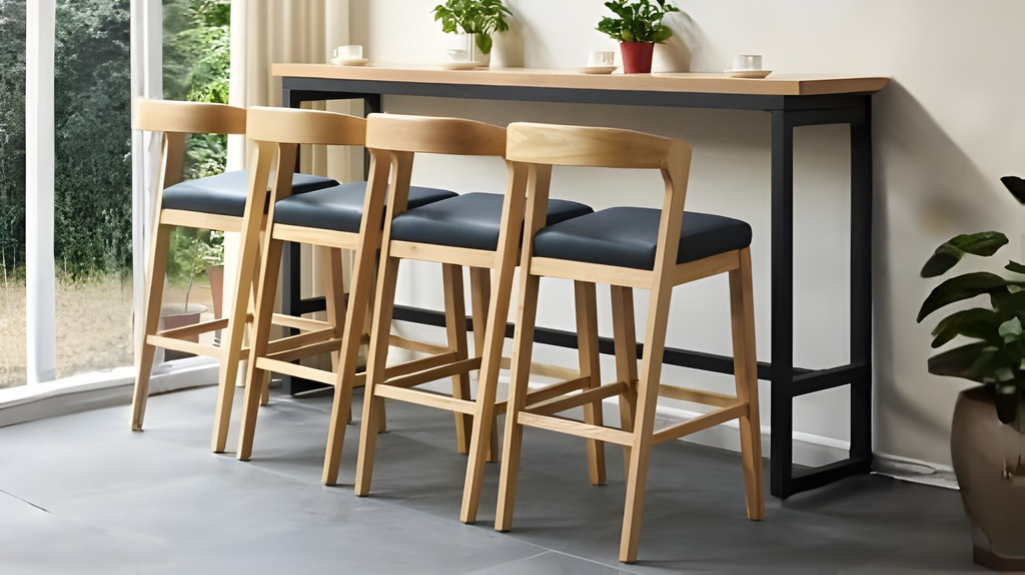
Following these measurements usually ensures comfortable seating and proper proportions.
Choosing the Right Bar Stool for Your Space
Bar stools sit at the intersection of design and function. When chosen carefully, they make kitchen islands and home bars feel welcoming and comfortable.
When chosen incorrectly, they become the piece of furniture that people constantly adjust, replace, or regret.
By understanding kitchen bar stool height, the difference between counter stools vs bar stools, and the basics of a good bar seating guide, buyers can avoid the most common mistakes.