
Corner Sofa L Shape: 7 Layout Ideas That Actually Work in Indian Homes
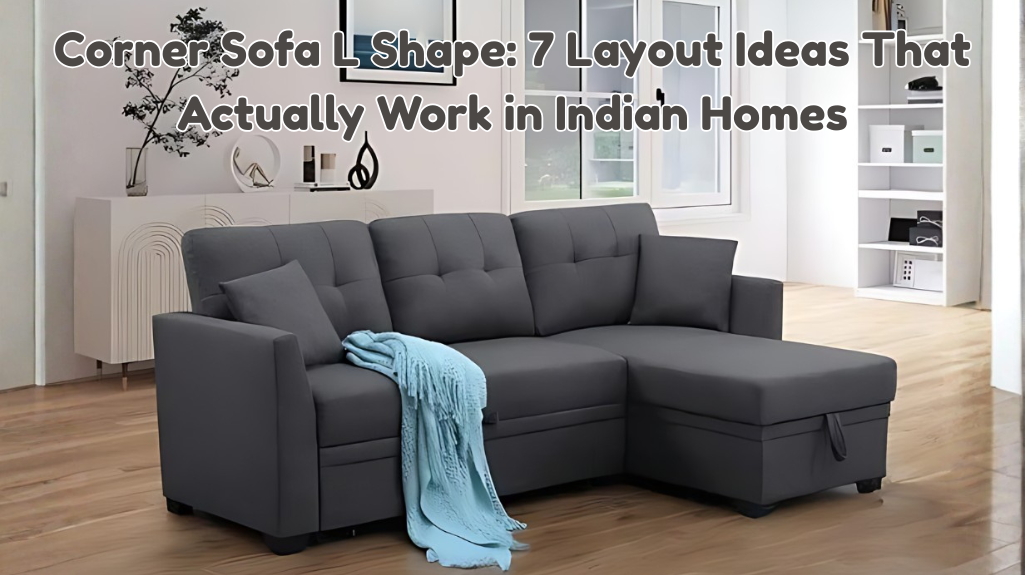
Corner sofas look great in catalogues. Large spaces, clean walls, perfect symmetry. But once you try placing a Corner Sofa L Shape in a real Indian home, things feel different.
Rooms are not always square. Entry points cut through living spaces. TV walls compete with windows. And suddenly, what looked like a simple furniture decision turns into a layout puzzle.
The truth is, L shape sofas work very well in Indian homes, but only when the placement makes sense for how the space is actually used.
1. Against the Longest Wall for Balanced Layout
When the room feels slightly narrow
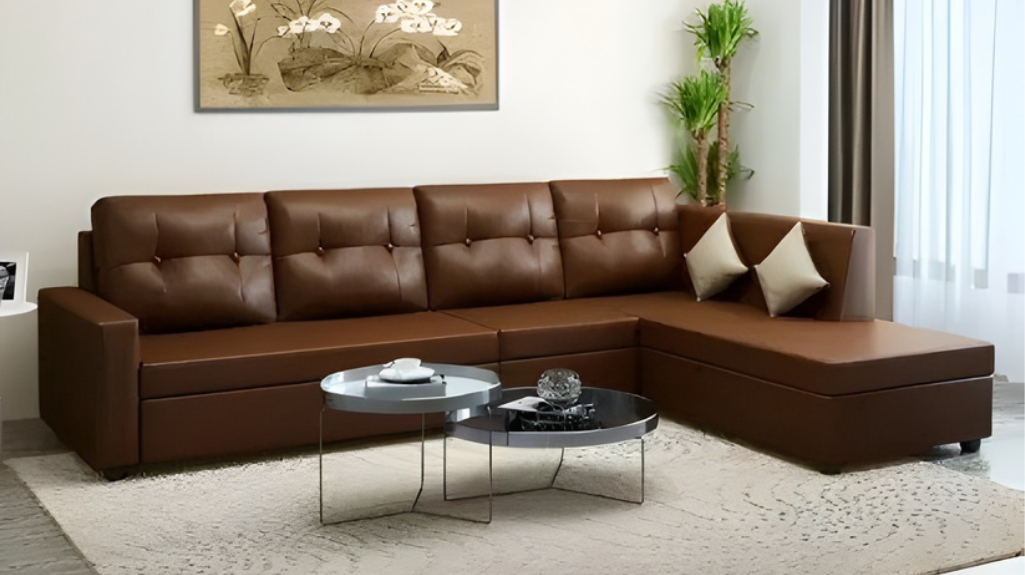
In many apartments, the living room is rectangular rather than square. In these cases, placing the longer side of the Corner Sofa L Shape along the longest wall helps stabilise the room.
This keeps the layout visually balanced and prevents the space from feeling cut in half.
It also leaves enough walking space on the opposite side, which is often where people move between rooms.
2. Open Side Facing the Entry for Better Flow
When the living room connects directly to the entrance
In Indian homes where the living room is visible right from the main door, the sofa placement matters more than expected.
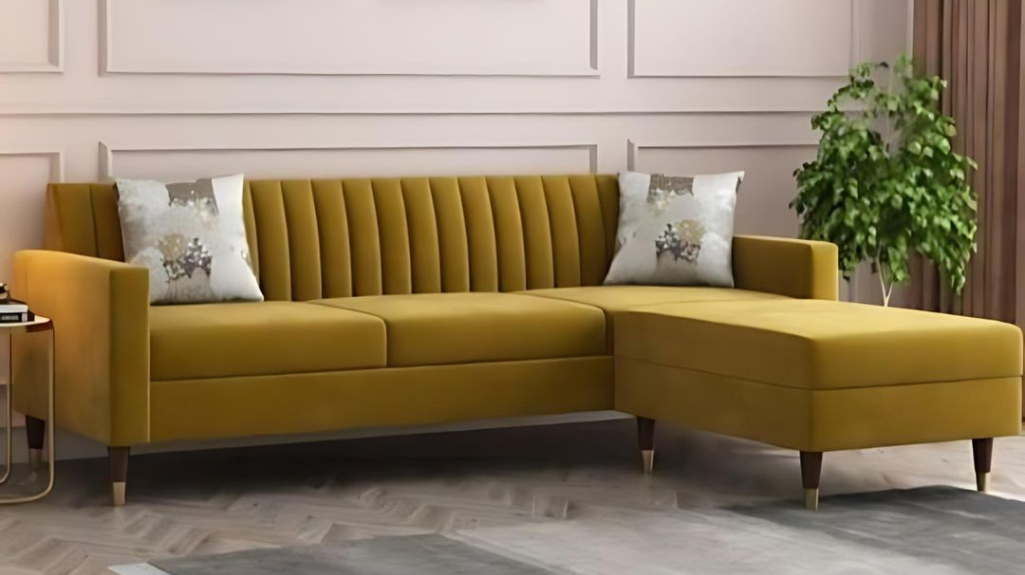
Positioning the L shape sofa so that the open side faces the entry creates a welcoming flow. It avoids blocking the space and makes the room feel accessible.
A closed or bulky placement near the entrance can make the room feel smaller immediately. This is one of the most practical living room sofa layout adjustments people notice after rearranging.
3. Floating Layout for Larger Living Rooms
When walls are not the best anchor
Not every sofa needs to be pushed against a wall.
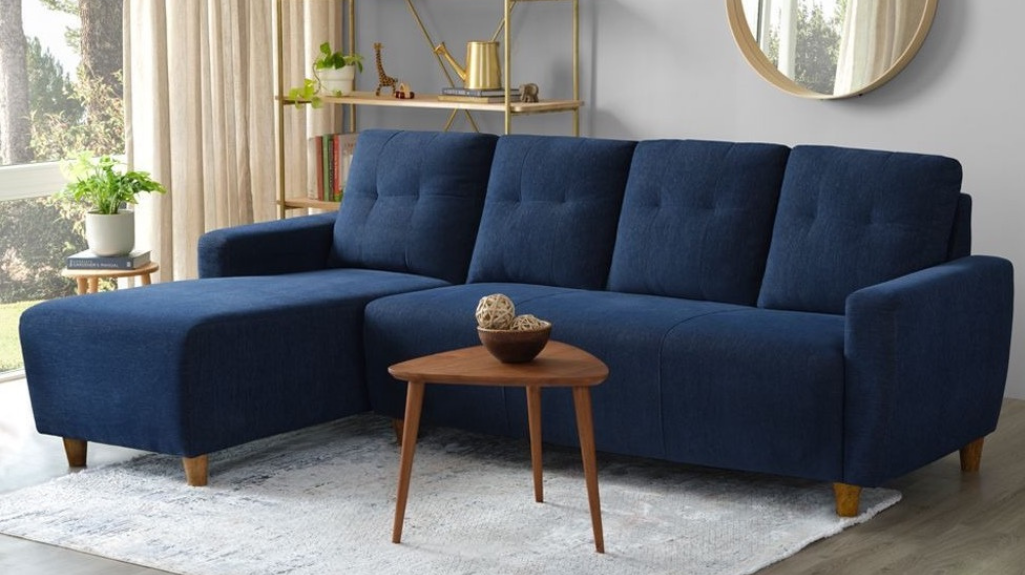
In larger Indian homes or villas, placing the Corner Sofa L Shape slightly away from the wall creates a floating layout. This helps define zones within the same space, especially in open-plan areas.
The back of the sofa can subtly separate the living area from the dining or passage space. This works well when combined with rugs or centre tables that visually anchor the seating area.
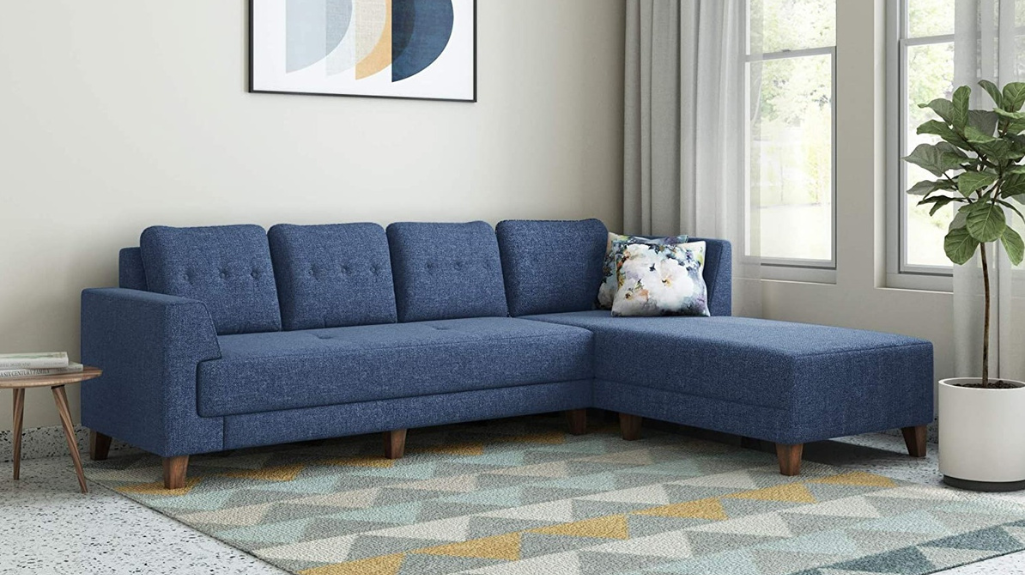
4. Corner Placement That Actually Uses the Corner
When space needs to be maximised
This sounds obvious, but many people place L shape sofas near corners without fully using them.
A true corner placement aligns both sides of the sofa tightly with the walls. This frees up central floor space and works well in compact homes.
For smaller flats, this type of L shape sofa placement often makes the room feel more organised and less crowded.
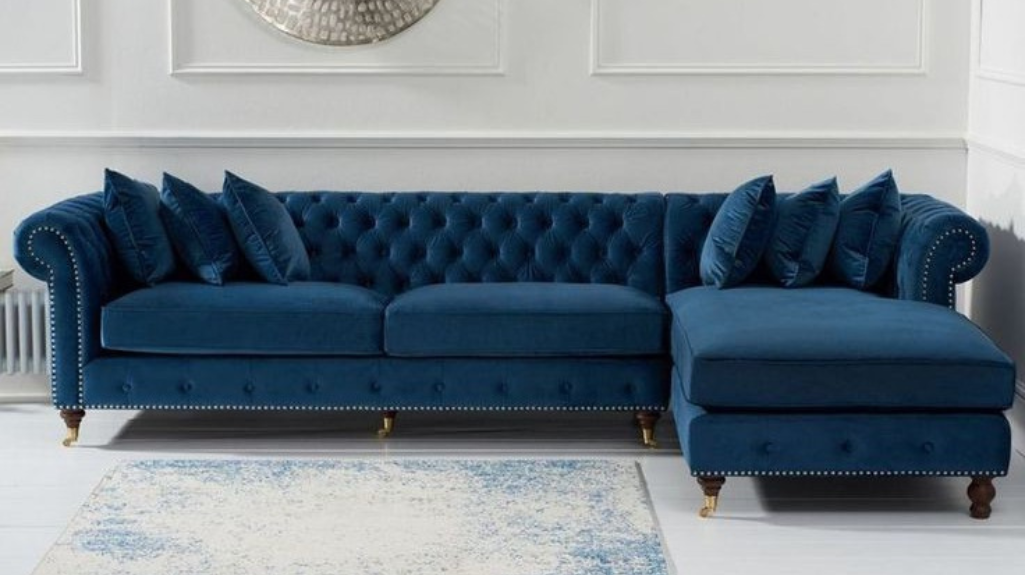
5. Window-Side Placement for Natural Light
When the room has large windows
Placing one side of the L shape sofa along a window wall can work well if done carefully.
It allows natural light to flow across the seating area, making the room feel more open. However, the height of the backrest matters. A very high back can block light and make the room feel heavier.
In Indian homes where balconies or large windows are part of the living room, this layout feels relaxed and practical.
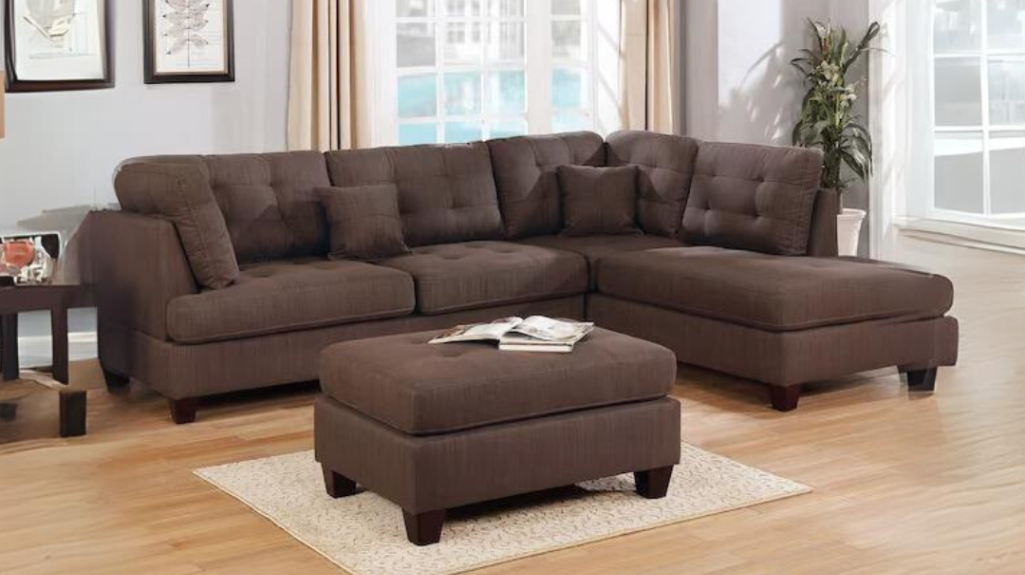
6. TV-Focused Layout Without Blocking Movement
When the TV wall is the main focal point
Most living rooms revolve around the TV, but placing the sofa directly opposite without considering movement can create issues.
The longer side of the Corner Sofa L Shape should ideally face the TV, while the shorter side extends along the side wall without blocking pathways.
This allows clear viewing without interrupting traffic flow, especially in homes where people move frequently between rooms. Good sectional sofa ideas always consider both viewing comfort and movement.
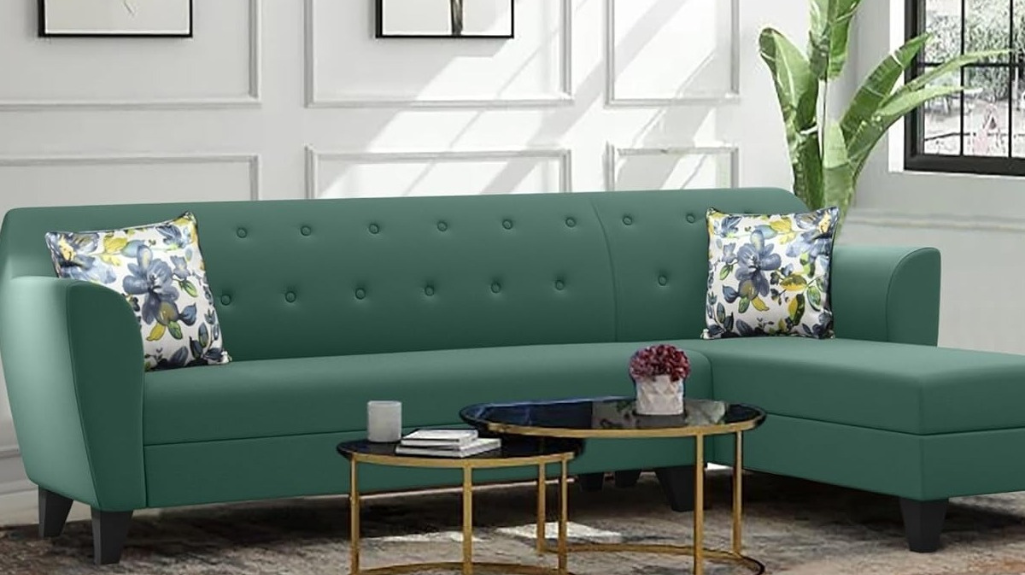
7. Dual-Purpose Layout for Work and Living
When the living room serves multiple functions
In many Indian homes, the living room is not just for relaxing. It may also double as a workspace, study area, or informal dining space. An L shape sofa can help define a working corner without adding extra partitions. The shorter section can act as a subtle divider, separating activities within the same room.
This layout works especially well in smaller homes where every square foot needs to serve more than one purpose.
What Most People Get Wrong About L Shape Sofas
The biggest mistake is choosing a design before thinking about placement.
A sofa may look perfect in isolation, but if it blocks movement, reduces usable space, or disrupts the room’s natural flow, it quickly becomes frustrating.
The best corner sofa design is not just about shape or fabric. It is about how it fits into the way people move, sit, and live in that space every day.
A Practical Way to Think About It
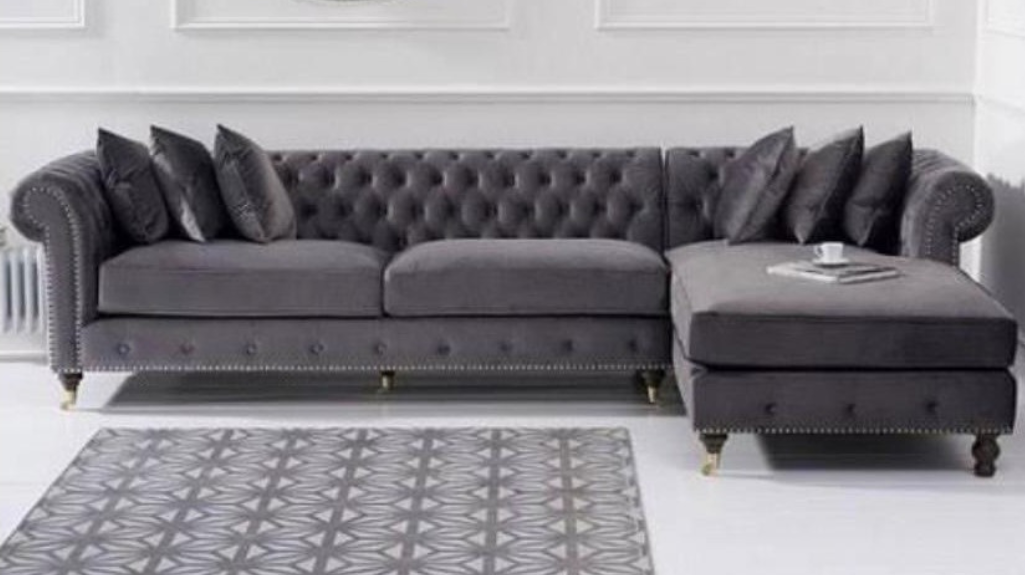
A Corner Sofa L Shape is not just seating. It is a layout decision.
When placed correctly, it makes the room feel organised and comfortable. When placed without planning, it can make even a large room feel restricted.
Before choosing a design, it helps to look at the room first. Where people walk. Where light enters. Where the focus naturally falls.
Once that is clear, the right placement becomes obvious. And the sofa starts working with the space instead of against it.